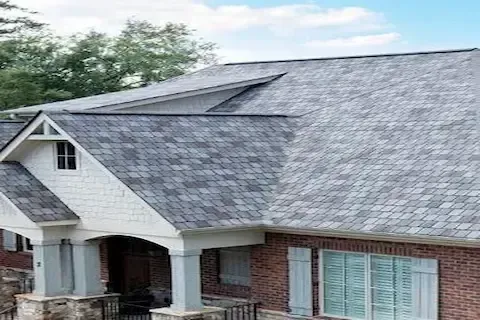
Class 4 Impact Resistant Roofing in Eden Prairie MN
Understanding Class 4 Impact Resistant Roofing Systems
Class 4 impact resistant roofing represents the highest level of hail protection available in residential roofing materials. This rating system, established by Underwriters Laboratories (UL), measures how well roofing materials withstand impact from objects of varying sizes and weights. For Eden Prairie homeowners who face Minnesota's unpredictable weather patterns, understanding this classification can mean the difference between minor storm damage and a complete roof replacement.
The UL 2218 standard tests roofing materials by dropping steel balls of different sizes from specific heights onto sample materials. Class 4 materials must withstand impacts from 2-inch diameter steel balls dropped from 20 feet without cracking or splitting. This translates to protection against hailstones up to 2 inches in diameter, which can cause devastating damage to standard roofing materials.
Impact resistant shingles achieve their superior performance through enhanced construction methods and materials. Manufacturers typically use modified asphalt formulations with polymer additives that increase flexibility and impact absorption. Some products incorporate reinforcing fabrics or specialized granule compositions that distribute impact energy more effectively across the shingle surface.
Why Eden Prairie Homes Need Superior Hail Protection
Eden Prairie's location in the upper Midwest places it directly in a hail-prone region where severe thunderstorms regularly produce damaging hailstones. Minnesota experiences an average of 15-20 significant hail events annually, with the peak season running from April through August. The combination of atmospheric conditions during spring and summer storms creates ideal circumstances for hailstone formation and growth.
Historical weather data shows Eden Prairie has experienced multiple severe hail events over the past decade, including storms that produced hailstones exceeding golf ball size. These events resulted in millions of dollars in property damage across the Twin Cities metropolitan area. Standard three-tab or architectural shingles often fail during these storms, leading to emergency repairs and insurance claims.
The economic impact extends beyond immediate repair costs. Homes with damaged roofing systems face potential water intrusion issues that can affect interior spaces, insulation, and structural components. Class 4 Impact Shingle Installation provides proactive protection that helps homeowners avoid these cascading problems.
Local building trends also support the adoption of impact resistant materials. Many newer developments in Eden Prairie incorporate Class 4 roofing as standard equipment, recognizing both the practical benefits and potential insurance advantages these materials provide.
Insurance Benefits and Cost Considerations
Insurance companies recognize the superior protection offered by Class 4 impact resistant roofing and frequently provide premium discounts for homes equipped with these materials. Minnesota homeowners can typically expect discounts ranging from 15% to 35% on the wind and hail portion of their homeowner's insurance premiums. These savings often offset a significant portion of the additional material costs over the life of the roof.
The initial investment for Class 4 impact resistant roofing typically runs 15% to 25% higher than comparable standard shingles. However, this cost differential must be evaluated against the long-term benefits including reduced maintenance, fewer insurance claims, and extended roof life. Most impact resistant shingles carry warranties of 30 to 50 years, compared to 20 to 30 years for standard materials.
Installation costs remain comparable to standard roofing projects since the application methods are essentially identical. The primary cost difference lies in the materials themselves, making the upgrade decision primarily about material selection rather than labor considerations.
Financing options through roofing contractors or home improvement loans can help spread the initial investment over time, making the upgrade more accessible while insurance savings begin immediately upon installation completion.
Available Class 4 Material Options
Several manufacturers produce Class 4 impact resistant shingles with varying designs, colors, and performance characteristics. GAF's Timberline HD-Z series offers enhanced impact resistance while maintaining the appearance of traditional architectural shingles. CertainTeed's NorthGate Class 4 shingles incorporate advanced polymer technology with a wide range of color options suitable for different architectural styles.
Owens Corning's Duration Storm shingles feature SureNail technology that provides enhanced wind resistance alongside impact protection. These products combine multiple protective features in single systems, addressing both hail and wind concerns common in Minnesota weather.
Metal roofing systems also achieve Class 4 ratings through specific alloy compositions and panel designs. Standing seam metal roofs with appropriate thickness and coating systems provide excellent hail resistance while offering extremely long service lives. However, metal systems require specialized installation expertise and typically involve higher initial costs.
Synthetic slate and composite materials represent emerging options in the Class 4 category. These products often provide superior impact resistance compared to natural materials while offering unique aesthetic possibilities for homeowners seeking distinctive appearances.
Installation Requirements and Considerations
Proper installation remains critical for achieving the full protective benefits of Class 4 impact resistant roofing. Installation must follow manufacturer specifications exactly to maintain warranty coverage and ensure optimal performance. This includes proper nail placement, starter strip installation, and flashing details around penetrations and roof edges.
Deck preparation becomes especially important with impact resistant materials. The roof deck must provide adequate support for the additional weight of some Class 4 products. Most residential structures can accommodate these materials without structural modifications, but professional evaluation helps identify any necessary reinforcements.
Ventilation requirements remain consistent with standard roofing installations, but proper airflow becomes more critical for maintaining material performance over time. Adequate intake and exhaust ventilation prevents moisture accumulation that could compromise the enhanced materials.
Weather conditions during installation affect project scheduling and material performance. Professional installers understand the optimal conditions for different Class 4 products and plan accordingly to ensure proper adhesion and sealing.
Maintenance and Long-term Performance
Class 4 impact resistant roofing requires minimal additional maintenance compared to standard materials, but regular inspections help identify potential issues before they develop into serious problems. Annual inspections should focus on flashing conditions, gutter attachments, and any areas where debris accumulation might occur.
The enhanced durability of these materials often results in fewer repair requirements over the roof's lifetime. However, when repairs become necessary, using compatible materials and proper techniques ensures continued performance. Professional contractors familiar with specific Class 4 products understand the appropriate repair methods for different situations.
Storm damage assessment becomes more straightforward with impact resistant materials since their superior performance often limits damage to specific impact points rather than widespread failures. This can simplify insurance claims and reduce repair complexity.
N/A - First Post documentation and warranty maintenance require keeping installation records and following manufacturer recommendations for any maintenance activities.
Choosing the Right Class 4 System for Your Home
Selecting the appropriate Class 4 impact resistant roofing system depends on multiple factors including architectural style, budget considerations, and specific performance priorities. Homes with complex roof lines may benefit from certain shingle designs that provide better coverage around dormers and intersections.
Color selection affects both aesthetic appeal and energy efficiency. Lighter colors reflect more solar heat, potentially reducing cooling costs during Minnesota's warm summers. However, darker colors may provide better ice dam prevention through increased solar heat absorption during winter months.
Wind rating compatibility ensures comprehensive storm protection. Many Class 4 products also carry high wind resistance ratings, providing protection against both hail and wind damage in single systems.
Professional consultation helps evaluate specific property needs and identify the most appropriate materials for individual situations. Experienced contractors can assess existing roof conditions, structural considerations, and aesthetic preferences to recommend optimal solutions.
Professional Installation and Warranty Protection
Working with qualified roofing professionals ensures proper installation and maintains manufacturer warranty coverage. Class 4 materials often require specific installation techniques or certified installer programs that affect warranty terms and coverage levels.
Local expertise becomes valuable for understanding Eden Prairie's specific weather challenges and building requirements. Contractors familiar with local conditions can recommend appropriate materials and installation methods for optimal long-term performance.
Warranty registration and documentation establish the foundation for future coverage claims. Most manufacturers require proper installation documentation and registration within specific timeframes to activate full warranty protection.
The investment in Class 4 impact resistant roofing provides Eden Prairie homeowners with superior protection against severe weather while potentially reducing insurance costs and maintenance requirements. Professional installation ensures these benefits are fully realized through proper material selection and application techniques appropriate for local conditions.
