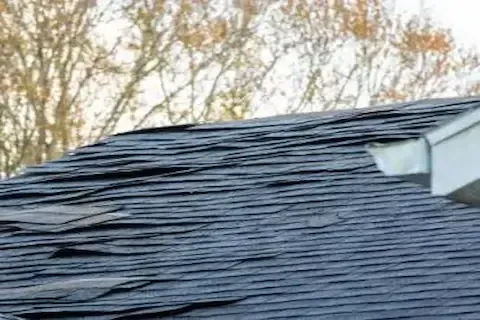
July Storm Damage Roof Repair for Eden Prairie Homes
July storms in Eden Prairie arrive fast and hit hard. A line of severe weather that rolls through the southwest metro can drop hail, push wind gusts past 70 miles per hour, and dump inches of rain in under an hour. When that happens, your roof takes the full force before anything else. The damage you see from the ground — missing shingles, bent gutters, scattered debris — often understates what is actually happening at the flashing, the ridge cap, and beneath the surface layers. Acting quickly and correctly in the days after a July storm is what separates a contained repair from a full interior loss.
What July Storms in Eden Prairie Actually Do to Roofs
Summer storm systems in Minnesota bring a combination of threats that rarely appear alone. Hail in July tends to run larger than spring hail because the atmospheric conditions that produce it are more intense. Stone size between one inch and two inches is common in southwest metro storms, and that range is enough to fracture asphalt granules, crack fiberglass mat beneath the surface, and dent metal flashing around chimneys and vents.
Wind damage follows a different pattern. Shingles lifted by gusts lose their adhesive seal strips. Once that seal breaks, even moderate wind in subsequent storms can peel them away completely. The edges and ridge lines are the most vulnerable zones, and damage there is easy to miss from ground level because the visible tabs may still be in place while the bonding beneath is gone.
Rain by itself is not the primary threat during a storm, but it becomes the critical factor in the hours and days after. Any breach opened by hail or wind immediately begins channeling water into the underlayment, decking, and eventually into ceiling cavities and insulation. A small entry point left unaddressed for even three or four days in July's heat and humidity accelerates moisture damage significantly.
Your First Steps After a July Storm
The priority in the first 24 hours is documentation, not repair. Before anyone walks on the roof or moves debris, photograph the exterior of your home from multiple angles. Capture the gutters, the downspout areas, any visible shingle disturbance, and the condition of nearby trees and structures. These images establish a before-any-work baseline that your insurance adjuster will rely on.
If you have a skylight, chimney, or vent that appears compromised, a licensed roofing contractor can place emergency tarping to protect the opening while the inspection and claim process moves forward. This temporary step is covered under most standard homeowner policies as a mitigation measure, and it prevents interior damage from compounding before permanent repairs are authorized.
Contact your insurance carrier to open a claim and request an adjuster visit. Most carriers operating in the Eden Prairie area respond within three to seven business days during a widespread storm event, though that window can stretch during a major regional storm. While you wait, avoid having any permanent repair work done without adjuster approval unless the damage poses an immediate safety risk.
The Contractor and Adjuster Sequence That Matters
One of the most common missteps Eden Prairie homeowners make after storm damage is bringing a contractor in before the adjuster has completed their inspection. When contractors complete repairs before an official damage assessment, you may lose the ability to claim those costs, and the adjuster has no physical evidence to evaluate.
The better sequence is to have a reputable local contractor perform a pre-adjuster inspection alongside or just before the insurance visit. An experienced contractor can identify secondary damage — granule loss patterns, lifted seams, softened decking — that adjusters who handle hundreds of claims may move past quickly. Having a contractor present or having a written contractor inspection report in hand gives you documentation leverage if the adjuster's scope misses something.
For a more detailed breakdown of how this process unfolded in the spring season just before July, the June hail damage breakdown covers the adjuster coordination process and what homeowners learned from that storm cycle.
Once your claim is approved and you have a written scope of loss, you can move into contractor selection. Get at least two itemized bids. The bids should reference specific materials, underlayment type, flashing replacement, and ventilation inspection — not just a line item for shingle replacement. Quality repair work on an Eden Prairie home following a July storm is not just about what is visible. It is about what is sealed, aligned, and protected for the next storm season.
Material and Timing Considerations for Summer Repairs
July is actually a favorable month for roofing work in Minnesota from a weather and materials standpoint. Warm temperatures allow asphalt shingles to seat and seal correctly. Adhesive strips activate properly in heat above 70 degrees, which means shingles installed in July bond faster and more fully than those installed in early spring or late fall.
If your roof is aging — ten years or older — and the storm damage is significant, this is also a reasonable moment to discuss whether a full replacement makes more sense than targeted repairs. Partial re-roofing on an older deck can introduce mismatched shingle aging and inconsistent granule coverage. A contractor reviewing your situation can help you understand whether your insurance scope supports a full replacement given the existing condition of the roof.
Eden Prairie's neighborhood layouts also carry a practical consideration. Homes in areas like Flying Cloud, Hennepin Village, and along the bluffs near Anderson Lakes often have steeper pitches and more complex rooflines than typical metro subdivisions. Complex geometry means more flashing points, more valley seams, and more opportunities for repair work to miss a secondary entry point. Choose a contractor with documented experience on the type of roof your home actually has.
Protecting Your Home Before the Next Storm Arrives
July rarely brings just one storm in the Eden Prairie area. The homeowners who came through this season best upgraded early, so see our guide to spring Class 4 roofing prep for Eden Prairie homes. Once repairs are completed, a post-repair inspection of gutters, downspouts, and attic ventilation is worth doing before the next weather system arrives. Clear gutters allow water to route correctly off the repaired roof surface. Proper attic ventilation prevents moisture buildup that can deteriorate new underlayment prematurely.
If you have not had your roof inspected since the last major storm season, this is the right time. Storm Damage Roof Repair services are available locally and can include a full post-storm assessment, documentation support for insurance claims, and material recommendations matched to your specific roof profile. Addressing storm damage in July, while conditions support quality repair work and before fall weather complicates the process, is the most protective decision a homeowner can make.
