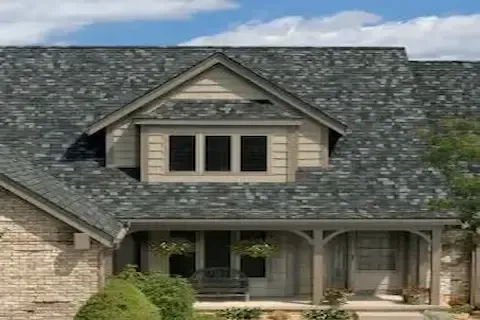
Late Summer Roof Replacement Timing Eden Prairie MN
In Eden Prairie, the window between late July and mid-September represents the single most competitive stretch of the year for roofing contractors. Homeowners who delayed their spring inspections, dealt with summer storm damage, or simply started planning late all converge on the same narrow scheduling window. Understanding why this crunch happens — and what it means for your project timeline — can save you weeks of waiting and help you secure a crew before the fall rush locks everyone out.
Why Late Summer Drives Peak Roofing Demand in Eden Prairie
Minnesota's climate creates a predictable roofing calendar. Spring is unpredictable with freeze-thaw cycles and lingering moisture. Midsummer is hot and humid, which isn't ideal for shingle installation. Late summer, roughly August through early September, hits a sweet spot: stable temperatures, lower humidity, and enough warm weather ahead for adhesive strips on shingles to properly seal before winter arrives.
Eden Prairie sits in a part of the Twin Cities metro that sees concentrated storm activity during June and July. By the time insurance claims are processed and adjusters have completed their assessments, many homeowners are scheduling replacements in August. Add to that the residents who planned to replace their roofs all spring but kept putting off the call, and you have a surge of competing projects all hitting the market simultaneously.
Contractors in the Eden Prairie area typically reach full booking capacity by mid-August for same-season work. Once that happens, new requests either get pushed to late fall — which carries its own weather risks — or pushed entirely to the following spring.
The Fall Scheduling Crunch and What It Means for You
Fall roofing in Minnesota is possible, but it comes with real limitations. Asphalt shingles require a minimum ambient temperature of around 40°F to install correctly. Below that threshold, shingles become brittle and may crack during handling. The adhesive strips that create a watertight seal also need sustained warmth to activate properly after installation.
Eden Prairie typically sees consistent sub-40 overnight temperatures beginning in October. That doesn't eliminate fall roofing entirely, but it does mean work needs to happen during midday windows, and contractors become more selective about what projects they take on late in the season. If your roof goes into November, you're working against the clock.
The practical result is that homeowners who wait too long in late summer often face a difficult choice: accept a rushed late-fall installation under marginal conditions, wait until the following spring with an aging or damaged roof through the winter, or pay a premium to jump a waiting list if a contractor has cancellations.
How to Time Your Project to Beat the Rush
The most effective strategy is to begin your planning process in early to mid-July. That doesn't mean you need to commit immediately, but getting a roof inspection completed, receiving a written estimate, and having a contractor hold a slot in their schedule puts you ahead of the August surge.
When you contact a roofing company in Eden Prairie, ask directly about their current booking timeline. A contractor who tells you they can start the following week in mid-August may be telling you something important about their workload. Established crews with strong local reputations fill up fast because repeat customers and referrals take priority. If you're calling for the first time in late August hoping for a September start date, you may already be too late for a comfortable installation window.
For Roof Replacement projects specifically, the material lead time is also a factor. Certain shingle styles, colors, and manufacturers may require ordering time. In peak season, distributor inventory across the Minneapolis area moves quickly, and specialty products can take longer to arrive. Locking in your material choices early gives your contractor the flexibility to source and stage everything before your scheduled start date.
What Happens During the Installation Window
Once your crew is on-site, a standard residential roof replacement in Eden Prairie typically runs one to two days for an average-sized home. Larger homes, complex rooflines, or significant decking repairs can extend that timeline. The key point is that the actual installation period is short — the wait to reach that point is what most homeowners underestimate.
If you want more detail on what the process looks like from start to finish, including what factors extend or compress the timeline, take a look at how long a roof replacement takes. Understanding the full sequence from inspection through cleanup helps you set realistic expectations and coordinate around the project.
Local Factors That Affect Scheduling in Eden Prairie
Eden Prairie's housing stock skews toward established neighborhoods built in the 1980s and 1990s. Many of those roofs are now at or past their useful life, which means replacement demand here is structurally higher than in newer developments. Communities like Birch Island Woods, Settler's Ridge, and the older sections near Flying Cloud Drive see concentrated replacement activity every summer because so many homes were built in the same era.
HOA requirements in some Eden Prairie neighborhoods also add a layer of coordination. If your community has an architectural review process for exterior changes, that approval step needs to happen before installation begins. Factoring in HOA response times — which can run two to four weeks — is another reason to start the planning process earlier than feels necessary.
The Cost of Waiting Versus the Cost of Acting Early
Homeowners sometimes delay scheduling because they assume prices will be lower at the end of the season. In practice, the opposite is often true. Late-season availability is scarce, and contractors who do have open slots in October have less competitive pressure to sharpen their pricing. The best pricing usually comes from scheduling during a period when contractors are actively filling their calendar — which is late spring and early summer, not after the August surge has already hit.
Beyond pricing, a roof that fails or leaks during a Minnesota winter creates damage that compounds quickly. Water infiltration during freeze-thaw cycles in Eden Prairie can affect insulation, sheathing, and interior finishes in ways that far exceed the cost of the roof replacement itself. Acting before the late summer crunch isn't just about convenience — it's about managing real financial risk.
