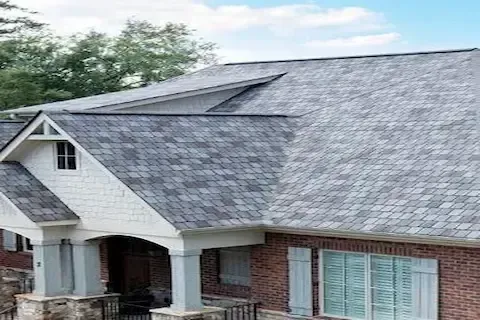
What Is a Class 4 Impact Roofing System Eden Prairie
A Class 4 impact roofing system uses shingles that have passed the highest level of impact resistance testing under UL 2218 standards. These shingles withstand a 2-inch steel ball dropped from 20 feet without cracking, making them the most hail-resistant option available. Eden Prairie homeowners choose Class 4 systems for superior storm protection and potential insurance discounts of up to 30%.
What makes Class 4 shingles different from standard roofing materials?
Class 4 impact-resistant shingles feature reinforced construction with specialized materials like polymer-modified asphalt and impact-resistant granules. The manufacturing process creates a more flexible yet durable product that absorbs impact energy rather than cracking. Standard asphalt shingles typically achieve Class 1 or 2 ratings, while Class 4 represents the premium tier of impact resistance testing.
The key difference lies in the backing material and granule composition. Class 4 shingles often incorporate SBS (styrene-butadiene-styrene) modifiers that maintain flexibility in Minnesota's temperature extremes. This flexibility allows the shingle to bend under impact rather than fracture, providing superior protection during Eden Prairie's frequent hailstorms.
How does UL 2218 testing determine Class 4 certification?
UL 2218 testing involves dropping steel balls of increasing size onto shingle samples to simulate hail impacts. Class 4 certification requires shingles to withstand multiple impacts from a 2-inch diameter steel ball dropped from 20 feet, equivalent to golf ball-sized hail traveling at terminal velocity. The test measures whether the shingle cracks, splits, or shows granule loss that exposes the underlying mat.
Testing occurs at various temperatures to simulate real-world conditions. Shingles must pass impact tests at both high and low temperatures since Minnesota weather creates extreme thermal cycling. The certification process ensures consistent performance across different installation scenarios and climate conditions common in the Eden Prairie area.
What hail sizes can Class 4 shingles withstand?
Class 4 impact-resistant shingles protect against hail up to 2 inches in diameter, which covers approximately 95% of all hailstorm events. While larger hail can still cause damage, Class 4 systems significantly reduce the likelihood of penetration through the roofing system. Even when exposed to larger hail, these shingles often suffer only cosmetic damage rather than structural failure.
Eden Prairie experiences frequent hailstorms with stones ranging from pea-size to golf ball dimensions. Historical weather data shows most local hail events produce stones between 0.75 and 1.5 inches, well within Class 4 protection parameters. The enhanced impact resistance provides peace of mind during severe weather seasons typically occurring from April through September in Minnesota.
Which manufacturers produce Class 4 impact shingles?
Major manufacturers offering Class 4 impact-resistant shingles include GAF Timberline ArmorShield II, Owens Corning Duration Storm, CertainTeed Landmark Impact, and IKO Nordic Impact. Each brand uses proprietary technology to achieve Class 4 certification while maintaining aesthetic appeal and longevity.
Many Class 4 products come with enhanced warranties, often extending coverage periods and including wind resistance ratings up to 130 mph. Class 4 Impact Shingle Installation requires proper techniques to maintain warranty coverage and optimal performance. Professional installation ensures proper nail placement, flashing integration, and adherence to manufacturer specifications.
What insurance benefits come with Class 4 roofing systems?
Most insurance companies offer premium discounts for Class 4 impact-resistant roofing, typically ranging from 15% to 35% on the dwelling coverage portion of homeowner's policies. These discounts often continue for the life of the roof, creating substantial long-term savings that can offset the higher initial investment in impact-resistant materials.
Insurance benefits extend beyond premium reductions to include potentially lower deductibles for hail damage claims and faster claim processing. Some insurers provide preferred contractor networks and expedited settlements for homes with certified impact-resistant roofing. the Class 4 insurance discount overview explains specific savings available to Eden Prairie residents and documentation requirements for discount eligibility.
How long do Class 4 impact shingles last compared to standard materials?
Class 4 impact-resistant shingles typically last 25 to 50 years depending on the specific product and installation quality, compared to 15 to 25 years for standard asphalt shingles. The enhanced materials and construction methods that provide impact resistance also contribute to overall durability and weather resistance.
Minnesota's climate presents unique challenges including thermal cycling, ice dam formation, and UV exposure. Class 4 shingles often incorporate improved algae resistance and enhanced granule retention, maintaining appearance and performance longer than conventional options. The initial investment in Class 4 materials often proves cost-effective when factoring in extended lifespan and reduced maintenance requirements.
Are Class 4 shingles worth the additional cost?
Class 4 impact-resistant shingles typically cost 10% to 20% more than standard asphalt shingles, but the investment often pays for itself through insurance discounts, reduced repair costs, and extended lifespan. For Eden Prairie homeowners in hail-prone areas, the protection value often exceeds the premium cost within the first few years of installation.
The decision should consider local weather patterns, insurance discount availability, and long-term occupancy plans. Homes in areas with frequent severe weather events benefit most from Class 4 protection, while properties in more sheltered locations may find standard impact-resistant options sufficient. Professional assessment can help determine the optimal balance between cost and protection for specific properties and circumstances.
