
When Minnetonka's Mature Canopy and Hail Season Collide
Why Minnetonka Roofs Age Differently Than Newer Suburbs
Properties throughout Minnetonka sit beneath one of the Twin Cities' densest mature tree canopies. Neighborhoods developed across the 1960s through the 1980s were planted with oak, elm, and ash that have grown to full crown, and the combination of decades-old root systems and established canopy creates roof conditions that differ meaningfully from newer developments in the outer suburbs. Organic debris accumulation — leaves, seed pods, branch material — settles in roof valleys and around penetrations at higher rates than open-lot properties experience. Sustained moisture retention in those debris pockets accelerates shingle granule loss and promotes early membrane degradation beneath what appears to be an intact surface. Minnetonka's proximity to Lake Minnetonka introduces a secondary moisture factor: properties within the broader watershed zone experience humidity and condensation patterns that extend the number of annual freeze-thaw cycles affecting roofing materials. Cedar shake roofing, installed on a significant share of the area's executive homes during original construction, has reached or is approaching its natural service limit on properties built through the 1970s and 1980s. Cedar shake installed thirty to forty years ago on a Minnetonka home requires not a repair evaluation but a full replacement decision — and that decision involves material choices that did not exist when the original roof was installed. The Class 4 impact-resistant shingle category, composite shake alternatives, and standing seam metal profiles now available for residential installation change the economics and longevity calculus for owners making that replacement call.
What Minnetonka's Housing Stock Actually Demands
Roof replacement in Minnetonka carries a decision weight that standard residential roofing projects in lower-value markets do not. Properties in the area's established neighborhoods represent significant asset values, and the roofing system functions as a primary component of both structural protection and insurance positioning. A $700,000 to $1.5 million home with an aging or storm-damaged roof is simultaneously facing a protection vulnerability and an insurance premium exposure that the replacement decision directly addresses. The southwest metro hail corridor runs directly through this geography. Storm events that generate southwest metro hail advisories consistently affect Minnetonka properties, and the cumulative impact of multiple moderate hail events over several seasons produces granule loss and micro-fracturing that is not visible to a ground-level inspection but is identifiable during a systematic examination of shingle surfaces and gutters. Homeowners who deferred replacement after prior hail seasons may be carrying functional deficiencies they are unaware of. Insurance carriers operating in Minnesota have adopted Class 4 impact-resistant shingle standards into their pricing structures for this reason. Properties that qualify for Class 4 installation — which includes most of Minnetonka's executive housing stock — are eligible for the premium discount structures that insurers apply to UL 2218-rated systems. For a high-value Minnetonka property, the insurance discount available over a policy cycle may offset a meaningful share of the incremental cost difference between standard and Class 4 shingle installation.
Minnetonka's Canopy-Driven Roof Wear Patterns
Roof replacement in Minnetonka's established neighborhoods begins with an accurate assessment of what the existing system has absorbed — not just from the most recent storm, but across the full exposure history of the property. Properties with mature tree canopy experience accelerated wear patterns that standard inspection timelines may undercount. Debris accumulation in roof valleys, consistent organic moisture contact at flashing transitions, and reduced UV exposure beneath dense canopy all create degradation pathways that are not weather-event-specific but cumulative over the installation's service life. Properties that installed composition shingles during the 1990s or early 2000s remodel cycles are now approaching the end of their designed service range regardless of visible surface condition. Granule matrix integrity, flashing seal condition at penetrations and transitions, and ridge cap compression are the key indicators that determine whether a system is in decline. When replacement is the decision, the material selection carries forward-looking implications. Minnetonka properties that carry cedar shake face a different set of replacement options than properties that are cycling off composition shingles. Composite shake alternatives now replicate the aesthetic character of original cedar profiles while offering Class 4 impact ratings and extended warranty structures that cedar cannot match. For Minnetonka homeowners replacing cedar, the evaluation involves not just cost-per-square but longevity under the specific moisture and debris conditions that canopy-heavy properties impose — conditions where composite shake's dimensional stability outperforms cedar's natural expansion and contraction cycles.
Storm Damage Accumulation and Class 4 Shingle ROI
Storm damage assessment in Minnetonka requires reading the cumulative record, not just the most recent weather event. Southwest metro hail events leave impact signatures on roofing systems that track directly to UL 2218 testing thresholds — the standardized framework that defines Class 4 impact resistance. Standard composition shingles absorb moderate hail impacts across multiple events until granule matrix depletion and micro-fracturing reach a point where the underlying membrane is no longer protected from UV degradation. This failure mode develops over one to three seasons after the initial damage event, which means properties that appeared intact after a hail event may now be in measurable decline. The replacement decision for storm-affected Minnetonka properties involves a parallel evaluation: what the insurance claim process will cover and what the optimal replacement material is given the property's exposure profile. Class 4 shingles qualify for premium discounts from the major Minnesota carriers — including State Farm, Travelers, and Auto-Owners — under their impact-resistant roofing discount programs. For Minnetonka properties in the higher home-value tiers, the premium reduction available over a standard policy cycle represents a concrete financial offset against the cost difference between standard and Class 4 installation. The math on Class 4 upgrades is most favorable on properties where the combination of home value, premium cost, and available insurer discount creates a payback window that falls within the warranty period of the material — a calculation that applies to a significant share of Minnetonka's housing stock.
Material Selection for Minnetonka Executive Properties
Cedar shake roofing that is original to Minnetonka homes built during the 1960s through the 1980s presents a specific replacement decision that goes beyond the standard wear-and-tear evaluation. Cedar's natural expansion and contraction cycle under Minnesota's temperature range — from summer humidity to below-zero winter cold — has compressed and cracked shake profiles over decades of thermal cycling. Moss and lichen growth, which is particularly accelerated in Minnetonka's canopy-shaded roof areas, traps moisture against the wood fiber and accelerates the degradation that thermal cycling initiates. Properties with original cedar shake that has not been replaced are typically dealing with cracked profiles, lifted and displaced sections, and compromised underlayment that the shake failure exposes to precipitation infiltration. The replacement evaluation for a cedar roof in Minnetonka involves selecting among three primary alternatives: composite shake, which replicates cedar's dimensional profile while offering Class 4 impact ratings and consistent dimensional stability across thermal cycles; standing seam metal, which eliminates organic material vulnerabilities entirely and offers the longest service life available for residential installation; and premium architectural asphalt, which addresses cost considerations while providing a Class 4-rated option at a lower material cost per square. Each option responds differently to the specific conditions that accelerate cedar deterioration in Minnetonka's canopy-heavy, moisture-retentive environment. The material selection should align with the property's exposure profile, its aesthetic requirements, and the owner's long-term maintenance expectations for the replacement system.
Comprehensive Residential Roofing Contractor Services in Eden Prairie
Tailored to Your Needs
We offer Eden Prairie homeowners a complete range of residential roofing services — from full replacement and storm damage repair to Class 4 impact shingle installation, cedar shake replacement, emergency response, and premium material projects. Every service includes Hennepin County permit management, manufacturer warranty compliance, and thorough insurance documentation.
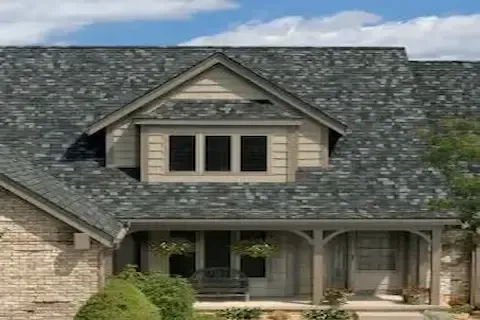
Full-system roof replacement for Eden Prairie's high-value homes — permit management, material expertise, and insurance documentation included on every project.
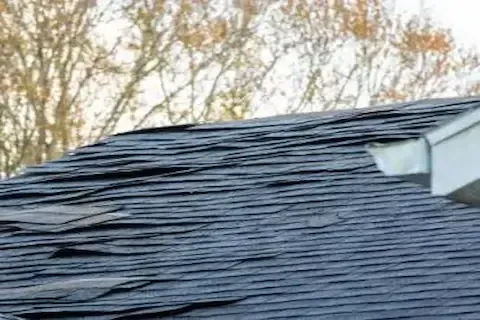
Rapid storm assessment, insurance documentation, and roof repair for Eden Prairie homeowners hit by hail and wind events in the southwest metro.
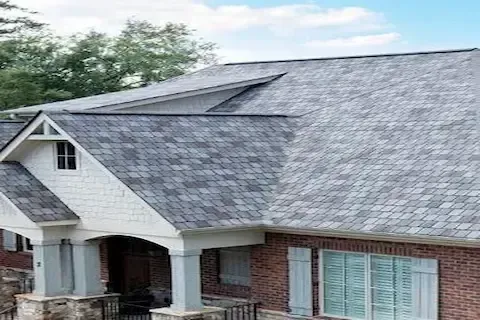
UL 2218 Class 4 impact-resistant shingle installation for Eden Prairie homeowners seeking hail protection and documented insurance premium reductions.
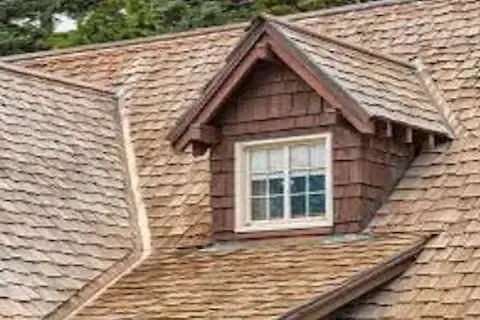
Complete cedar shake roof replacement for Eden Prairie's luxury neighborhoods — including HOA compliance support and full premium alternative material selection.

Professional hail damage documentation and insurance claim support for Eden Prairie homeowners navigating the post-storm claim process.
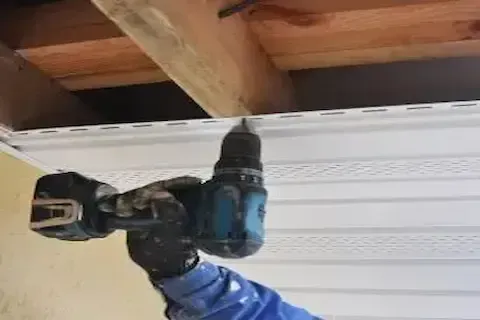
Complete soffit, fascia, and drip edge replacement for Eden Prairie homes — including hail damage documentation and insurance claim support for all roofline components.
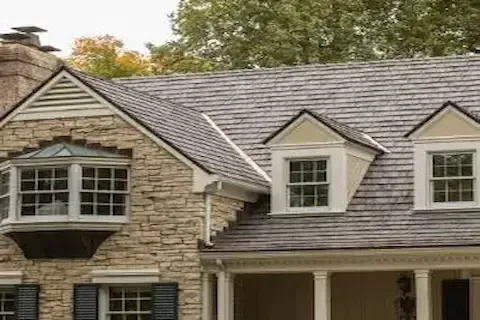
Premium material roofing for Eden Prairie's executive and luxury homes — standing seam metal, composite shake, and designer systems specified to the highest-value properties.
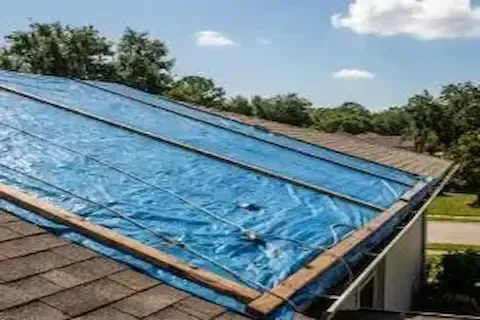
Same-day emergency roof tarping and structural assessment for Eden Prairie homes with active damage and interior exposure risk after storms or structural failure.

Attic ventilation assessment and correction for Eden Prairie homes — resolving the root cause of ice dams, premature shingle failure, and moisture damage specific to MN's climate.
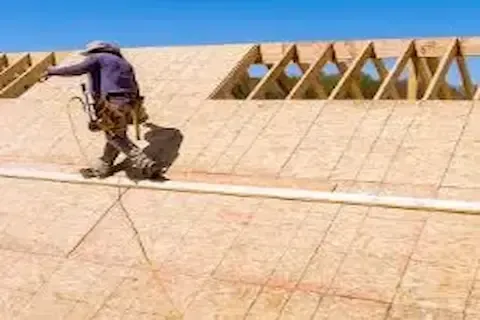
Roof decking and sheathing assessment and replacement in Eden Prairie — addressing storm damage, moisture intrusion, and ice dam-related structural deterioration.
Frequently Asked Questions
Residential Roofing Contractor can be complex, and we’re here to provide answers to common questions. Here are some frequently asked questions from our clients.
Frequently Asked Questions about Roof Replacement Eden Prairie MN
How much does roof replacement cost in Eden Prairie?
Most Eden Prairie roof replacements fall between $12,000 and $25,000 for architectural asphalt on a standard single-family home. Class 4 impact shingles, composite shake, and standing seam metal push the figure higher, and steep pitch, complex valleys, and decking replacement all add to it. High-value properties in Bearpath or Settlers Ridge frequently land above that range. We provide free itemized estimates with square counts listed so you can verify the math.
How do I know if my roof needs full replacement after hail damage?
After a southwest metro hail event, look for shingle bruising, granule loss in gutters, and impact dents on metal flashing, gutters, and ridge caps. These are the same indicators insurance adjusters use. We offer free post-storm inspections with a written damage report you can use during the adjuster meeting to ensure your claim reflects every covered item.
What are Class 4 impact shingles and why do they matter in Minnesota?
Class 4 shingles meet UL 2218 testing — the highest impact rating available — designed to withstand 2-inch hail without cracking. Minnesota insurers including State Farm, Travelers, and Auto-Owners discount premiums 15 to 30 percent for Class 4 installations on qualifying properties. For Eden Prairie's high-value homes in the hail corridor, the math almost always favors the upgrade.
Do I need a permit to replace my roof in Hennepin County?
Yes. Hennepin County requires a building permit for full roof replacement. The permit covers ice barrier placement per MN Building Code R905.1.2, ventilation compliance, and sheathing inspection. We pull all permits, schedule required inspections, and close the permit before final project sign-off.
How long does a full roof replacement take in Eden Prairie?
Standard architectural asphalt replacement on a typical Eden Prairie home takes one to two days. Cedar shake tear-off or standing seam metal on complex hip-and-valley roof geometries runs two to four days. Minnesota's weather window narrows from November through March, so we schedule with that constraint in mind on every project.
Will homeowner's insurance cover hail damage roof replacement in MN?
Most standard MN homeowner policies cover storm-related hail and wind damage. ACV versus RCV policy type determines how depreciation is applied. Eden Prairie homeowners with Class 4 shingles often see faster claim approval and reduced deductibles. We document damage before your adjuster visits and review their scope afterward so covered items are not missed.
Need Residential Roofing Contractor?
What Our Satisfied Clients Have to Say About Eden Prairie Roofing
We pride ourselves on delivering great results and experiences for each client. Hear directly from home and business owners who’ve trusted us with their Residential Roofing Contractor needs.

After last summer's hail storm hit our Bearpath neighborhood, they were out within 24 hours with a full damage report ready before our adjuster even called. The Class 4 shingle upgrade they recommended saved us nearly 20 percent on our annual premium. First-rate work from estimate through final inspection.
Mark T.
Our cedar shake roof was at end of life and the HOA had strict guidelines on what we could replace it with. The team pulled the HOA documents, submitted the composite shake variance, and had approval in under three weeks. Installation was clean and on schedule. Best roofing experience we have had on this house.
Susan K.
We had a ventilation problem causing ice dams at the same eave line every winter for four years. Other contractors just quoted new shingles. This team diagnosed the blocked soffits, corrected the ventilation ratio, and replaced the damaged eave sheathing in the same project. Two winters later and zero ice dam issues.
Dave R.
The Trusted Residential Roofing Contractor Expert Near You
Ready to hear more about expert services at Eden Prairie Roofing?
Contact us today to receive a detailed, no-obligation quote.

Eden Prairie & the Twin Cities metro
Monday-Friday: 9am-5pm, Saturday: 11am-3pm
