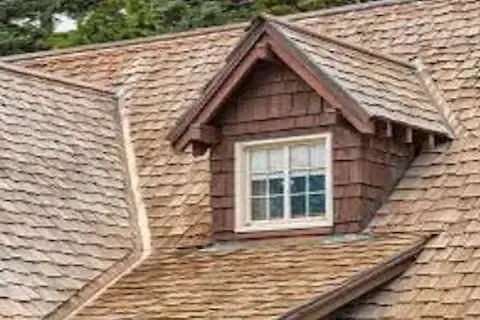
Autumn Cedar Shake Roof Replacement Eden Prairie MN
Eden Prairie homeowners who have been watching their cedar shake roofs age through another summer often reach the same conclusion by September: waiting until spring is not the right call. Autumn offers a narrow but well-suited window for cedar shake roof replacement, one that combines favorable installation conditions, contractor availability, and smart preparation for the Minnesota winter ahead. If your shake roof is showing significant wear, splitting, or moss infiltration, fall is the season where decisive action pays off.
Why Autumn Conditions Favor Cedar Shake Work
Cedar shake installation requires stable, moderate temperatures for the wood to seat properly and for sealants and underlayments to cure without thermal stress. The late August through October window in Eden Prairie typically delivers exactly that. Daytime highs in the mid-50s to mid-70s keep the wood from expanding aggressively during installation, and cooler nights allow materials to settle without the contraction extremes that winter creates.
Summer heat can cause freshly installed cedar shakes to expand too quickly, leading to cupping or improper seating along the ridgeline. In winter, frozen decking complicates the removal of old shakes and increases the risk of damaging the underlayment layer during tear-off. Autumn avoids both problems. The result is cleaner installation work and better long-term performance from the finished roof.
Contractor schedules also shift in fall. The intense summer rush begins winding down after Labor Day, which often means faster scheduling, more attentive crew assignments, and shorter project timelines for Eden Prairie homeowners who book in September or October.
Signs Your Cedar Shake Roof Has Reached the End of Its Service Life
Not every worn-looking cedar shake roof needs a full replacement. Some surfaces benefit from targeted repairs, selective shake replacement, and moss treatment to extend service life. But several indicators suggest that replacement is the more cost-effective and structurally sound decision.
- Widespread cracking or splitting: Individual splits are normal and manageable. When splitting affects 20 percent or more of your roof surface, the structure is no longer shedding water reliably.
- Cupped or curled shakes: Shakes that have pulled away from the roof plane allow wind-driven rain and snowmelt to penetrate below the surface layer.
- Granular moss or algae coverage: Surface biologicals hold moisture against the wood, accelerating rot. Extensive coverage often indicates that the wood itself is compromised beneath the surface growth.
- Soft spots or visible light in the attic: These are structural signals that require immediate attention. If daylight is visible through your roof deck from inside the attic, replacement cannot wait.
- Age beyond 25 to 30 years: Quality cedar shakes in Minnesota's climate typically perform well for two to three decades. Past that threshold, cumulative weathering and freeze-thaw cycling take a compounding toll.
For a detailed breakdown of how cedar shake lifespans are affected by Minnesota weather patterns and maintenance history, the cedar shake roof lifespan breakdown covers the major factors that determine when a roof has reached its practical endpoint.
What the Replacement Process Looks Like in Eden Prairie
A full cedar shake roof replacement is a multi-stage project. Understanding the sequence helps homeowners set accurate expectations for timeline and disruption during fall scheduling.
The process begins with a full tear-off of the existing shake layer and underlayment. In older Eden Prairie homes, the crew will also inspect the decking below for rot, soft spots, or damage from ice damming in previous winters. Any compromised decking is replaced before new material goes down. Skipping this step and installing over damaged decking is one of the most common errors that leads to premature roof failure.
Once the deck is confirmed sound, a breathable synthetic underlayment is installed. Cedar shake requires airflow beneath the surface to dry out after rain and snowmelt, and the underlayment choice directly affects long-term shake performance. A solid vapor barrier that traps moisture will accelerate the very decay it is meant to prevent.
New shakes are then installed in a staggered pattern, nailed with stainless steel or hot-dipped galvanized fasteners that resist the corrosive effects of Minnesota humidity and temperature cycling. Ridge caps, hip flashing, and valley work are completed last, with sealants applied during daylight hours to ensure full curing before evening temperatures drop.
Material Choices and Grades for Minnesota Roofs
Not all cedar shake products perform equally in the Minnesota climate. Handsplit-and-resawn shakes offer a rougher texture and greater thickness, which improves durability under heavy snow loads and repeated freeze-thaw cycles. Taper-sawn shakes provide a cleaner uniform appearance that suits many of Eden Prairie's newer residential neighborhoods.
Western Red Cedar remains the preferred species for Minnesota applications due to its natural oils, which resist moisture and biological growth. Pressure-treated shakes treated with preservatives offer extended protection and are increasingly popular in areas with heavy shade or persistent moisture from surrounding tree canopy, both common conditions in Eden Prairie's wooded western neighborhoods near Purgatory Creek.
Grade selection matters. Number 1 Blue Label is the standard for full roof installations, representing the clearest, most defect-free cuts. Number 2 material is appropriate for outbuildings or low-slope utility roofs but is not recommended for primary residential roofing in a climate with significant freeze-thaw cycling.
Timing and Snowfall: The Real Deadline
Eden Prairie's first measurable snowfall typically arrives in late October or early November, though early-season storms can appear in mid-October in active years. A cedar shake replacement project requires four to six days of dry working conditions from start to finish on an average residential home. That calculation makes early-to-mid October the practical cutoff for fall scheduling.
Starting a replacement and having it interrupted by snowfall before completion leaves the decking and partial installation exposed to moisture and freezing temperatures. The risk is not just to the new materials. An incomplete installation over an already-failing roof creates a double vulnerability during exactly the season that tests roof systems hardest.
Booking a fall project in September gives your contractor time to schedule material delivery, confirm crew availability, and build in a weather buffer that keeps the project on track regardless of a few rainy days.
Choosing the Right Contractor for Fall Cedar Work
Cedar shake roofing is a specialty trade. Not every general roofing contractor has the material knowledge, tool set, and crew experience to work with hand-split wood shakes correctly. In Eden Prairie, where mature tree canopy and architectural variety mean that no two roofs are identical, experience with cedar specifically matters more than general volume.
Ask any contractor you consider for examples of recent cedar shake installations in the Southwest Metro. Verify that they carry current insurance, pull required permits through the City of Eden Prairie, and source their materials from a reputable cedar supplier with consistent grading standards. Cedar Shake Roof Replacement done by experienced local crews is the single most important factor in getting a 25-plus-year return on a significant home investment.
If your cedar shake roof has been on your radar all summer, fall is the time to act. The conditions are right, the scheduling is favorable, and getting it done before snowfall means your home enters winter fully protected rather than holding on through another freeze-thaw season on a compromised surface.
