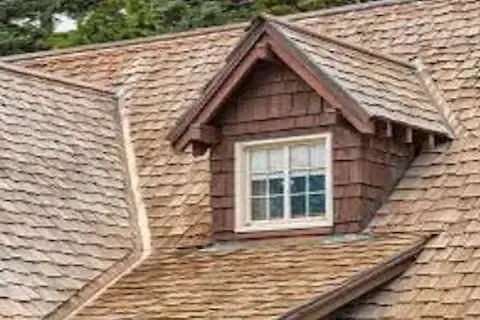
How Long Do Cedar Shake Roofs Last in Eden Prairie
A cedar shake roof in Eden Prairie typically lasts 25 to 35 years, though some well-maintained roofs reach 40 years. Minnesota's climate is the main variable. Freeze-thaw cycles, heavy snow loads, and humid summers accelerate wood fiber breakdown faster than in milder states. Regular cleaning, retreatment every 5 to 7 years, and prompt shingle replacement after storm damage all push that lifespan toward the upper end. Roofs with poor ventilation, heavy shade, or north-facing slopes tend to fall below the 25-year mark. Understanding which factors apply to your home helps you plan realistically.
How Long Does a Cedar Shake Roof Actually Last in Eden Prairie?
Most cedar shake roofs installed in Eden Prairie last between 25 and 35 years under average conditions. That range assumes routine maintenance and normal weather exposure. Some roofs installed with premium-grade shakes, proper ventilation, and consistent upkeep extend to 35 or even 40 years. Roofs that are neglected, poorly ventilated, or exposed to persistent shade commonly fail before 20 years. The Minnesota climate introduces stress that simply doesn't exist in warmer, drier regions, so national lifespan estimates of 30 to 40 years often overstate what's realistic here without deliberate care.
What Makes Cedar Shake Roofs Wear Faster in Minnesota?
Eden Prairie experiences some of the most demanding seasonal transitions in the country. Winter temperatures drop well below zero, and spring thaws can happen repeatedly across a single month. Each freeze-thaw cycle forces moisture into wood grain, expanding and contracting the fibers until cracking and splitting begin. Summer humidity slows drying and creates conditions where algae, moss, and fungal growth take hold quickly. These organisms trap moisture against the wood surface and accelerate rot. Heavy snow loads also stress the entire roof deck, and ice damming at eaves forces water beneath shakes in ways that lead to premature failure at the lower courses.
Does Roof Orientation Affect Cedar Shake Lifespan?
Yes, significantly. South-facing and west-facing roof slopes receive direct sun for most of the day, which keeps the wood drier between rain events and slows biological growth. North-facing slopes stay damp longer after precipitation and rarely dry out completely during winter months. Roofs surrounded by mature trees face additional moisture retention from shade and debris accumulation. In Eden Prairie neighborhoods with heavy tree canopy, moss and algae growth on shake roofs is common within the first 10 years. Keeping gutters clear and trimming overhanging branches directly extends the life of the shakes on shaded slopes.
How Does Maintenance Change the Lifespan Equation?
Maintenance is the single most controllable variable. Cedar shake roofs that receive cleaning and fungicidal treatment every 5 to 7 years consistently outperform untreated roofs by 8 to 12 years. Cleaning removes moss, algae, and embedded debris that hold moisture. Retreatment with a penetrating wood preservative restores the natural oils lost through weathering and UV exposure. Individual shakes that crack, curl, or split should be replaced promptly, because damaged shakes allow water infiltration that damages the underlayment and deck boards below. Cedar Shake Roof Replacement becomes necessary much sooner when maintenance lapses extend beyond a decade without any intervention.
What Are the Signs That a Cedar Shake Roof Is Nearing the End?
Several visible signs indicate a cedar shake roof is entering its final years. Heavy cupping or curling across multiple shakes means the wood has lost structural integrity and can no longer shed water reliably. Widespread splitting, particularly at the lower courses near eaves, signals advanced weathering. Dark staining that persists after cleaning often indicates deep fungal penetration into the wood fibers rather than surface growth. If more than 20 to 25 percent of the shakes on a slope are damaged or deteriorated, repair costs typically approach replacement costs, making full replacement the more economical choice. Interior signs like attic moisture, staining on ceiling drywall, or daylight visible through the roof deck confirm active water intrusion.
Is Cedar Shake Still Worth It for Eden Prairie Homes?
Cedar shake offers genuine aesthetic value that composite and asphalt products replicate imperfectly. The natural texture, color variation, and insulating properties of real wood shake remain attractive to homeowners in established Eden Prairie neighborhoods where curb appeal carries real resale weight. The trade-off is higher maintenance cost and a more demanding replacement cycle compared to architectural asphalt shingles. Before committing to cedar shake on a new installation or after a storm loss, reviewing the cedar vs composite shake comparison helps clarify whether the long-term costs align with your goals. For homeowners willing to invest in maintenance, cedar shake performs well. For those who prefer lower ongoing costs, composite alternatives have improved considerably in recent years.
Does the Grade of Cedar Shake Affect How Long It Lasts?
Grade matters more than most homeowners realize at installation time. Number One Blue Label shakes are cut from the heartwood of western red cedar and contain the highest concentration of natural preservative oils. They resist decay, insect activity, and moisture absorption better than lower-grade materials. Number Two and Number Three grades include more sapwood, which lacks the same oil content and deteriorates faster under Minnesota's moisture cycles. Pressure-treated shakes, which arrive pre-saturated with preservative, offer an extended warranty period and are worth the additional cost for Eden Prairie installations where treatment consistency is difficult to maintain.
