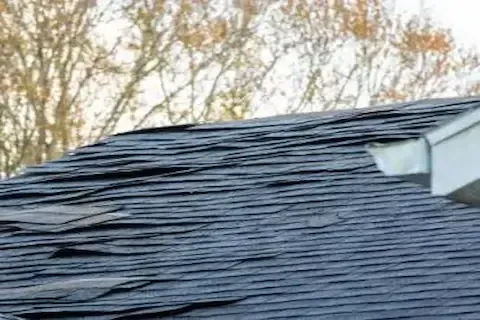
How to Identify Hail Roof Damage in Eden Prairie MN
Check your Eden Prairie roof for hail damage by looking for granule loss, exposed mat, cracked or missing shingles, and dented gutters or vents. Most hail damage appears as circular impact marks with exposed asphalt underneath the protective granules. Document everything with photos before contacting your insurance company, as Minnesota weather patterns make hail damage common during spring and summer storms.
Step 1: Conduct a Ground-Level Visual Inspection
Start your hail damage assessment from the ground using binoculars to examine your roof safely. Look for obvious signs like missing shingles, exposed underlayment, or debris scattered around your property. Check your gutters for granule accumulation, which indicates granule loss from above. In Eden Prairie's frequent storm seasons, you'll often find small stones or hail remnants in downspouts and around your foundation after severe weather events.
Step 2: Examine Shingle Granule Loss Patterns
Hail creates distinctive circular or oval impact marks where granules have been knocked away from asphalt shingles. These spots appear darker than surrounding areas because the underlying mat becomes exposed. Focus on south and west-facing roof sections, as these typically receive the most direct hail impact during Minnesota storms. Fresh granule loss will show sharp, clean edges around impact points, while older damage develops softer, weathered edges over time.
Step 3: Document Exposed Asphalt Mat Areas
When hail strikes with sufficient force, it removes protective granules completely, exposing the black asphalt mat underneath. These areas appear as dark spots against the lighter granule surface and represent serious damage requiring immediate attention. Take clear, close-up photographs of each exposed area for insurance documentation. Storm Damage Roof Repair professionals can assess whether these spots compromise your roof's waterproofing capabilities.
Step 4: Check for Cracked or Split Shingles
Large hailstones can crack shingles along their length or create splits that extend through multiple layers. These cracks often appear as straight or jagged lines running across individual shingles. Pay particular attention to older roofing materials, as they become more brittle and susceptible to impact damage over time. Minnesota's freeze-thaw cycles can worsen these initial cracks, leading to water infiltration if left unaddressed.
Step 5: Inspect Metal Components and Accessories
Examine gutters, downspouts, vents, and flashing for dents or dings that indicate hail impact. Metal components often show damage more clearly than shingles, providing valuable evidence of storm severity. Check chimney caps, satellite dishes, and HVAC equipment for similar impact marks. These metal surfaces can help insurance adjusters determine hail size and intensity when evaluating your claim.
Step 6: Assess Soffit and Fascia Damage
Don't overlook horizontal surfaces like soffits and fascia boards, which can sustain significant hail damage during severe storms. Look for dents, cracks, or holes in these areas, particularly on sides facing the storm's direction. Eden Prairie's typical storm patterns often bring hail from the southwest, making these exposures particularly vulnerable. Document any damage to these components as they're integral to your roof system's overall integrity.
Step 7: Photograph Everything Systematically
Create a comprehensive photographic record of all suspected damage before weather conditions change or repairs begin. Take wide shots showing overall roof condition, then capture close-up images of specific damage points. Include reference objects like coins or measuring tools to demonstrate impact size and severity. Time-stamp your photos and organize them by roof section for easy insurance claim submission. For detailed guidance on the repair process, review our storm damage roof repair walkthrough.
Step 8: Schedule Professional Verification
While homeowner inspection provides initial damage assessment, professional evaluation confirms the extent and urgency of repairs needed. Experienced roofing contractors understand Minnesota building codes and insurance requirements specific to Eden Prairie's climate conditions. They can identify subtle damage that untrained eyes might miss and provide detailed reports supporting your insurance claim. Professional documentation often carries more weight with insurance adjusters than homeowner photos alone.
