Storm Damage Roof Repair for Eden Prairie Homeowners
Understanding Storm Damage in Eden Prairie's Climate
Your Eden Prairie roof faces unique challenges in Minnesota's volatile weather patterns. The metro area sits in what meteorologists call the "hail corridor," where severe thunderstorms develop rapidly and produce damaging hail stones ranging from marble-sized to golf ball-sized impacts. These storms typically occur between April and September, with peak activity in June and July when atmospheric conditions create perfect conditions for severe weather formation.
Storm damage to roofing systems occurs through multiple mechanisms. Hail creates immediate impact damage by cracking, bruising, or completely penetrating shingles and other roofing materials. High winds lift shingle edges, tear off entire sections, or drive debris into your roof structure. Heavy rainfall that accompanies these storms can exploit even minor damage, leading to water infiltration and interior damage that compounds the original problem.
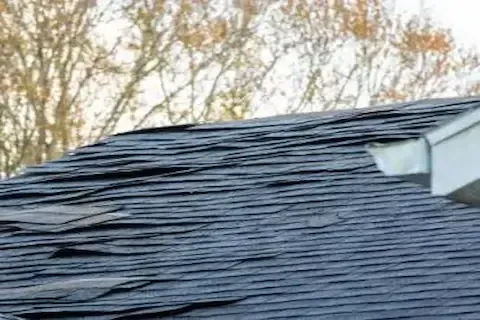
The most common storm damage patterns in Eden Prairie include granule loss on asphalt shingles, exposed mat areas where hail has stripped away protective coating, cracked or split shingles from direct impact, and damaged gutters or fascia from wind-driven debris. Metal roofing systems show denting patterns, while tile and slate roofs often exhibit cracking or complete breakage of individual pieces.
Immediate Post-Storm Assessment Protocol
Your first priority after a severe storm passes through Eden Prairie involves conducting a systematic damage assessment while maintaining safety protocols. Never attempt roof inspection during active weather or when surfaces remain wet and slippery. Wait for conditions to stabilize before beginning any evaluation process.
Begin your assessment from ground level using binoculars to examine visible roof sections. Look for obvious signs of damage including missing shingles, exposed decking, damaged gutters, or debris accumulation. Check your property's interior for water stains on ceilings or walls, which often indicate compromise in your roofing system's integrity.
Document everything you observe through photographs taken from multiple angles. These images serve crucial roles in insurance claims processing and help professional contractors understand the scope of damage before arriving on-site. Focus on capturing wide shots showing overall damage patterns as well as close-up images of specific problem areas.
Contact your insurance company immediately to report potential storm damage. Most insurers have specific timeframes for filing claims, and prompt reporting helps establish the connection between the storm event and observed damage. Request information about approved contractors in the Eden Prairie area who have experience with storm damage repairs.
Professional Inspection and Damage Documentation
Professional roof inspections provide comprehensive evaluation beyond what homeowner assessments can accomplish. Qualified inspectors have the training, equipment, and experience to identify subtle damage that might not be immediately apparent but could lead to significant problems over time.
During professional inspection, contractors examine your entire roofing system including shingles, underlayment, flashing, gutters, downspouts, and structural elements. They test for compromised seal integrity around penetrations such as vents, chimneys, and skylights. Inspectors also evaluate attic spaces for signs of water infiltration or structural damage from wind loads.
The inspection process includes moisture detection using specialized equipment to identify areas where water has penetrated your roofing system. Even minor leaks can create extensive damage over time if left unaddressed. Thermal imaging technology helps locate problem areas that might not show visible signs of moisture intrusion yet.
Professional documentation includes detailed reports with photographs, measurements, and recommendations for repairs or replacement. This documentation becomes essential for insurance claims processing and helps ensure that all damage receives proper attention during the repair process. Storm Damage Roof Repair specialists understand insurance requirements and can provide documentation that meets carrier expectations.
Insurance Claims Process and Contractor Coordination
Understanding your insurance policy's storm damage coverage helps you navigate the claims process effectively. Most homeowner policies in Minnesota include coverage for sudden weather events, but specific terms and deductibles vary significantly between carriers and policy types.
Work with contractors who have experience managing insurance claims for storm damage repairs. These professionals understand insurance company procedures, documentation requirements, and common issues that arise during claims processing. They can advocate for comprehensive repairs that address all damage, not just the most obvious problems.
The claims process typically involves multiple steps including initial reporting, adjuster inspection, damage assessment, repair estimates, and approval procedures. Timeline varies depending on the severity of widespread storm damage in the area and your insurance company's processing capacity during peak claim periods.
Avoid contractors who offer to "work with your insurance deductible" or suggest fraudulent practices to maximize claim payouts. Legitimate contractors provide honest assessments, detailed estimates, and work within insurance company guidelines to ensure proper repairs without jeopardizing your coverage or creating legal complications.
Repair Methods and Material Selection
Storm damage repairs range from minor shingle replacement to complete roofing system reconstruction depending on the severity of damage sustained. Repair approaches must address both visible damage and underlying issues that compromise your roof's protective capabilities.
Partial repairs work effectively when damage remains localized to specific sections of your roof. This approach involves replacing damaged shingles, repairing flashing, and addressing any underlying deck damage in affected areas. Matching existing materials becomes important for maintaining consistent appearance and performance characteristics across your entire roof.
Extensive damage may require complete roof replacement, particularly when hail has compromised shingle integrity across large areas or when wind damage has affected structural elements. Complete replacement provides opportunity to upgrade to more durable materials that offer better storm resistance for future weather events.
Material selection considerations include durability ratings, warranty coverage, aesthetic compatibility with your home's architecture, and long-term maintenance requirements. the Class 4 impact roofing breakdown explains advanced materials designed specifically for areas prone to severe weather events like Eden Prairie.
Timeline Expectations and Project Management
Storm damage repair timelines depend on multiple factors including damage severity, material availability, weather conditions, and contractor scheduling. Widespread storm events often create high demand for roofing services, potentially extending normal project timelines significantly.
Emergency repairs to prevent further damage typically receive priority scheduling. These temporary measures protect your home's interior while comprehensive repairs are planned and materials are procured. Emergency work might include tarping damaged areas, sealing obvious leaks, or securing loose materials that could create additional problems.
Complete repair projects generally require one to three weeks from start to finish, depending on roof size and complexity. Weather delays can extend timelines, particularly during Minnesota's unpredictable spring and fall seasons when storms and temperature fluctuations affect working conditions.
Effective project management involves clear communication about timeline expectations, material delivery schedules, and any factors that might affect completion dates. Quality contractors provide regular updates and adjust schedules proactively when circumstances change.
Preventive Measures and Future Storm Preparation
While you cannot prevent severe weather from affecting Eden Prairie, you can take steps to minimize future storm damage potential. Regular roof maintenance including annual inspections, prompt repair of minor issues, and proper attic ventilation helps maintain your roofing system's integrity and storm resistance capabilities.
Consider upgrading to impact-resistant materials during repair or replacement projects. Class 4 impact-rated shingles, reinforced gutters, and enhanced flashing systems provide better protection against hail damage and wind uplift forces common in Minnesota's severe weather patterns.
Landscape management around your property reduces debris that could become projectiles during high winds. Trim tree branches that overhang your roof, secure outdoor furniture and equipment, and maintain clear gutters and downspouts to handle heavy rainfall effectively.
Document your roof's condition through periodic photographs and maintain records of repairs, upgrades, and maintenance activities. This documentation proves valuable for future insurance claims and helps track your roofing system's performance over time.
Working with Qualified Professionals
Selecting qualified contractors for storm damage repairs requires careful evaluation of credentials, experience, and local reputation. Look for contractors who maintain proper licensing, insurance coverage, and established business presence in the Eden Prairie area.
Verify contractor credentials through the Minnesota Department of Labor and Industry, Better Business Bureau, and local references from recent projects. Established contractors have track records you can evaluate and typically provide warranties that offer meaningful protection for completed work.
Beware of door-to-door solicitation following major storms, particularly from contractors without local business addresses or proper licensing. Storm-chasing contractors often provide substandard work, use inferior materials, and disappear when problems arise after project completion.
Quality contractors provide detailed written estimates, explain repair approaches clearly, and answer questions about materials, timelines, and warranty coverage. They work transparently with insurance companies and provide documentation that supports proper claims processing without creating complications or delays.
