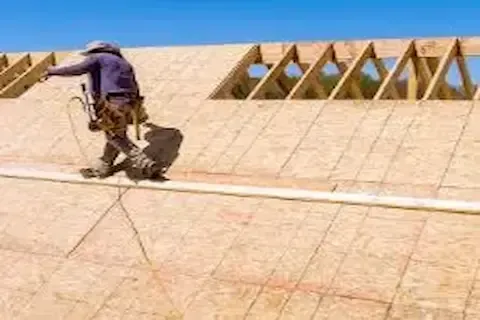
October Roof Decking Inspection in Eden Prairie MN
Most Eden Prairie homeowners schedule roofing work in spring or summer, which means fall inspections get skipped entirely. That's a mistake. October sits in a narrow window between the last warm stretch and the first serious snowfall, and it's one of the most informative times of year to put eyes on your roof decking. The sheathing beneath your shingles has spent the entire summer and fall cycling through heat, humidity, and cooling temperatures. By October, any weakness it picked up has had time to settle and show itself. Getting a professional look at the roof deck now means you're making decisions with accurate information before the snow load changes everything.
Why October Is the Right Month for Roof Deck Inspections
The timing isn't arbitrary. Eden Prairie sits in a climate zone where late-season rain and early-season snow often overlap in October. By this point in the year, the attic has experienced repeated moisture cycling from summer humidity, and any decking that absorbed water during that period will show visible signs of softening, staining, or delamination. Waiting until spring means those panels spend an entire winter under pressure from snow load, ice dams, and freeze-thaw expansion. If a weak panel fails under winter weight, the damage escalates quickly—from a decking replacement to potential structural repair and interior water intrusion.
October also gives roofing crews workable conditions. Daytime temperatures in the mid-40s to low-60s are within the acceptable range for inspections and, if repairs are needed, for sealing or fastening work. Once consistent freeze arrives, adhesives and sealants don't cure properly and exposed decking work becomes a safety concern.
What Inspectors Are Actually Looking For
A roof decking inspection isn't a visual scan of your shingles. It goes deeper than that. Inspectors approach the job from two angles: the attic interior and the roof surface itself.
From inside the attic, the crew looks for:
- Dark staining on the underside of panels — A sign of past or active moisture intrusion through the shingles or flashing
- Soft or spongy panels — Delaminated OSB or water-damaged plywood loses structural integrity even before it shows surface rot
- Sagging between rafters — Indicates panels that have lost rigidity and may not hold fasteners properly
- Mold or mildew growth — Common in attics with inadequate ventilation, often concentrated near ridge vents or soffits
- Fastener pull-through — Nails or staples that have worked loose or pulled through the panel face, leaving the decking improperly secured
From the roof surface, crews probe areas around penetrations, valleys, and low-slope transitions where water tends to pool or funnel. They pay particular attention to the edges where decking meets fascia boards, since those zones are frequently the first to show deterioration in Minnesota's wet springs and humid summers.
Findings That Demand Immediate Action Before Winter
Not every finding from an October inspection requires emergency repair. Some conditions can be monitored and addressed in spring. Others cannot wait. If your inspection turns up any of the following, the work needs to happen before snow arrives in Eden Prairie:
- Active moisture at the panel surface — If the wood is still wet or shows active wicking, waiting allows the problem to compound under snow weight
- Panels covering more than 10–15 square feet of soft or delaminated material — That's enough surface area that a heavy snow load could cause failure
- Fasteners pulling through near ridge or hip sections — High-wind zones on the roof where decking attachment matters most
- Any rot that extends to rafter tops — The repair scope changes significantly once the structure beneath the decking is compromised
If you've already dealt with roof penetration repairs or ice dam damage from last winter, those zones deserve extra scrutiny. For more context on what that scope of work typically involves, review the rotted decking replacement piece for a detailed breakdown of what replacement actually involves once panels are opened up.
Common Mistakes Homeowners Make in Fall
The most common mistake is treating an October inspection as optional. Many homeowners assume that because their shingles look intact from the ground, the decking is fine. Shingles and decking are separate systems. A roof can have perfectly serviceable shingles sitting over panels that are significantly compromised beneath them. The shingles shed water, but they don't provide structural support—that's entirely the deck's job.
Another common error is delaying after a soft finding. If an inspector identifies a spongy panel in October and the homeowner decides to wait until spring, that panel spends the entire winter under snow load. Even moderate Minnesota snow accumulation—say, 12 inches of wet snow—puts real weight on a roof system. A panel that's 60 percent degraded in October may fail entirely by February.
Finally, some homeowners attempt to address decking findings by layering new shingles over damaged substrate. This doesn't resolve the structural issue and typically voids manufacturer warranties on the new shingles.
Eden Prairie-Specific Conditions to Keep in Mind
Eden Prairie's location in the southwest Twin Cities metro means the area gets meaningful lake-effect humidity from the Minnesota River valley during late summer and early fall. Homes with northern exposures or heavy tree canopy overhead tend to retain moisture in attic spaces longer than properties with open southern exposure. Those homes should prioritize attic ventilation checks alongside decking inspections.
The city also has a mix of housing stock from the 1970s through the 2000s. Homes built in the late 1970s and 1980s often have original OSB sheathing that is now 40 or more years old. That generation of panels is frequently at or past its reliable service life, particularly in homes where ventilation was not upgraded when new shingles were installed. If your home falls into that era and hasn't had a full roofing system review, October is the right time to find out exactly what you're working with.
Connecting with a qualified crew now also gives you scheduling flexibility. Roof Decking & Sheathing Repair demand tends to spike once the first freeze settles in and homeowners realize they waited too long. Getting on the calendar in October means you're ahead of that rush and working in conditions that allow for thorough, properly executed repairs.
Making the Inspection Count
An October roof decking inspection is only as useful as the follow-through it generates. Ask your inspector for a written summary of findings that identifies specific panel locations, moisture readings if a probe is used, and a prioritized list of any recommended work. That documentation gives you a basis for decision-making, a record for insurance purposes if a future claim arises, and a comparison point for any re-inspection the following spring. Eden Prairie winters are hard on roofs. Going into them with accurate, current information is simply the smarter position to be in.
