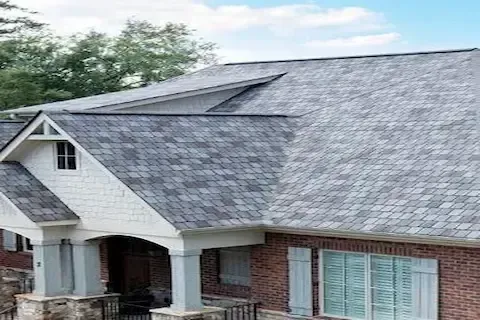
Spring Class 4 Roofing Prep for Eden Prairie Homes
Spring represents the optimal window for upgrading to Class 4 impact-resistant roofing in Eden Prairie, Minnesota. With hail season typically peaking between May and August, homeowners who act during the early spring months position themselves ahead of both weather threats and the seasonal rush for roofing materials and contractors. The preparation process involves careful timing, material selection, and coordination with qualified installers who understand Minnesota's specific climate challenges.
Understanding the Spring Installation Advantage
The period between March and early May offers ideal conditions for roofing projects in Eden Prairie. During these months, temperatures remain moderate, precipitation is generally lower, and contractors have greater availability before the busy summer season begins. Class 4 Impact Shingle Installation requires precise installation techniques that benefit from stable weather conditions and unhurried workmanship.
Material availability becomes increasingly important as the season progresses. Manufacturers often experience higher demand for Class 4 shingles during late spring and early summer, particularly after early-season hail events create sudden spikes in orders. By securing your materials and installation schedule in early spring, you avoid potential delays that could leave your home vulnerable during peak storm season.
Pre-Season Material Planning and Selection
Class 4 impact-resistant shingles require specific performance standards that not all products meet. When planning your spring installation, focus on shingles that have earned the UL 2218 Class 4 rating through rigorous impact testing. These products must withstand steel ball impacts of two inches in diameter without cracking or exposing the underlying mat.
Popular Class 4 options for Eden Prairie homes include architectural shingles with polymer-modified asphalt formulations and enhanced granule adhesion. Consider color selections that complement your home's exterior while providing energy efficiency benefits. Lighter colors reflect more heat, which can be advantageous during Minnesota's warm summer months, while darker shades may help with snow melting during winter transitions.
Order materials at least four to six weeks before your planned installation date. This timeline allows for manufacturer processing, shipping coordination, and potential adjustments if your first choice becomes temporarily unavailable. Work with your contractor to verify that all underlayment, flashing, and ventilation components also meet enhanced durability standards appropriate for severe weather protection.
Scheduling and Contractor Coordination
Begin contractor research and scheduling discussions in February for spring installations. Qualified Class 4 installers often book their premium spring slots early, particularly those with specific experience in impact-resistant systems. Request detailed timelines that account for material delivery, weather contingencies, and project completion before severe weather season begins.
Verify that your chosen contractor maintains proper licensing for Minnesota roofing work and carries insurance coverage appropriate for Class 4 installations. These systems require adherence to specific installation protocols, including proper nail penetration, spacing requirements, and edge detail work that differs from standard shingle applications.
Schedule your installation to allow completion by mid-May if possible. This timing provides a buffer before peak hail season while ensuring that any minor adjustments or touch-up work can be completed during favorable weather conditions.
Weather Window Considerations
Minnesota weather patterns require flexible scheduling approaches even during the spring months. Plan for potential delays due to late snow events, spring rain systems, or unusually cold temperatures that could affect material handling and installation quality. Professional installers will postpone work rather than compromise installation standards, so build weather contingency time into your overall timeline.
Insurance and Documentation Preparation
Contact your insurance provider during the planning phase to understand coverage details for Class 4 roofing upgrades. Many insurers offer premium discounts for impact-resistant roofing, but these benefits may require specific documentation and certification of proper installation. Some policies also provide enhanced coverage terms for Class 4 systems compared to standard roofing materials.
Prepare documentation that includes manufacturer specifications, contractor certifications, and installation photographs for your insurance records. This information proves valuable both for immediate discount eligibility and potential future claims processing. The plain-language Class 4 explainer provides additional background on insurance considerations and rating standards.
Property Preparation and Site Readiness
Spring installations require specific site preparation to ensure efficient project completion. Clear gutters and downspouts of winter debris that could interfere with material delivery or waste removal. Trim tree branches that hang within six feet of the roof line, as these can complicate installation access and create ongoing maintenance issues for your new Class 4 system.
Arrange for temporary protection of landscaping and exterior features that could be affected during installation. Professional contractors will implement protection measures, but early preparation helps minimize potential damage to spring plantings or outdoor equipment storage areas.
Access and Logistics Planning
Ensure clear vehicle access for material delivery trucks and waste removal containers. Spring installations often involve complete roof replacement, generating significant material volumes that require efficient removal systems. Coordinate with neighbors regarding temporary parking restrictions and inform them about project timelines to maintain good community relationships.
Local Considerations for Eden Prairie Installations
Eden Prairie's location in the Twin Cities metro area places it within Minnesota's primary hail corridor, making Class 4 preparation particularly valuable for local homeowners. The city's mix of established neighborhoods and newer developments means that roofing contractors familiar with both vintage construction methods and contemporary building standards offer the most comprehensive service options.
Local building codes may require specific permits for complete roof replacement projects, even when maintaining the same roofing material type. Check with Eden Prairie's building department early in your planning process to understand permit requirements and inspection schedules that could affect your installation timeline.
Consider the community's aesthetic standards when selecting shingle colors and styles. Many Eden Prairie neighborhoods maintain relatively consistent architectural themes, and choosing Class 4 options that complement existing community character helps preserve property values while providing enhanced storm protection.
Long-term Maintenance and Performance Expectations
Class 4 roofing systems require ongoing maintenance to preserve their impact-resistant properties throughout their extended service life. Plan for annual inspections that verify granule retention, seal integrity, and proper ventilation function. While these systems resist hail damage more effectively than standard shingles, they still benefit from proactive maintenance that addresses minor issues before they compromise overall performance.
Document your installation with detailed photographs and maintain records of all materials used, including lot numbers and installation dates. This documentation supports warranty claims and helps future maintenance providers understand your system's specific requirements and performance history.
